VO2 max: the fitness metric that predict longevity—and it’s trainable
f you’re over 50 and want a clear, powerful target for health, this is the number to track: VO2 max. It’s not just about winning races or looking fit. A growing body of research shows your VO2 max predicts how long you’ll live—better than your cholesterol, blood pressure, or BMI.
One landmark study of 122,007 adults found that cardiorespiratory fitness was a stronger predictor of all-cause mortality than smoking, coronary artery disease, and diabetes. And here’s the kicker: every step up in fitness level shaved more risk off mortality, with no upper limit. It’s not about chasing perfection; it’s about continuous improvement, year after year.
What makes VO2 max so special? It’s a direct measure of how efficiently your heart, lungs, and muscles use oxygen during exercise. Unlike many static numbers (weight, waist size, or a single lab value), VO2 max changes with training—and those changes matter. The best part: VO2 max responds to the right training at any age. Across the lifespan, you can lift your vertical ceiling with the right plan.
So why do most coaches and athletes still miss the mark? A lot of programs treat VO2 max as a byproduct of “getting in shape” rather than a deliberate, trainable goal. They rely on generic prescriptions, skip testing, and don’t tailor progress to the individual. For men over 50, that’s a missed opportunity. Age doesn’t mean inertia; it means you might need a smarter progression, more recovery, and a sharper pulse check.
Plugging VO2 max into a practical plan boils down to three pillars:
- Systematic testing and tracking
- Start with a practical, repeatable proxy test (time-on-test, 1.5–2 mile time trial, or a field test like a shuttle run). If you can, get a formal VO2 max test (CPET) or use a validated submax test to estimate your current fitness level.
- Track changes every 6–8 weeks. Small, consistent gains compound.
- Structured training blocks
- Build a sustainable base with aerobic work: steady-state cardio at a conversational pace, gradually extending duration.
- Add targeted VO2 max sessions: short, hard efforts (intervals, tempo bouts) that push your limits in controlled doses. Examples include 2 -4 x 4 minutes at a hard pace with equal recovery, or 4-6 rounds of 2 minutes hard/2 minutes easy.
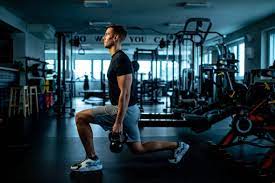
- Include resistance training: strong muscles support endurance work and protect joints—important for longevity.
- Recovery, health, and lifestyle optimisation
- Sleep, nutrition, and stress management matter more than you think for recovery and performance.
- Periodise your year: peak in line with events or health goals, then rebuild.
Bottom line: VO2 max isn’t vanity metrics or a niche athletic goal. It’s a powerful, trainable predictor of longevity. With a deliberate plan, you can raise your ceiling—well into your 50s, 60s, and beyond—and give your future self a longer, healthier life.
Start that journey with clarity, structure, and real-world gains.