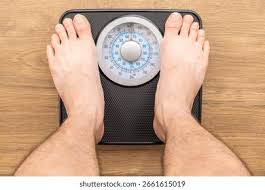
Overfat vs. Undermuscled: The Real Battle After 50
You’ve probably been told for decades that the key to health is losing fat. But here’s the real truth: as a man over 50, the battle isn’t just against fat—it’s against muscle loss. You’re not just “overweight.” You’re often under‑muscled, and that’s what puts your long‑term health at risk.
Most men chase leanness because they think it’s the ticket to good health. Yet you can be lean and still metabolically unwell if you lack muscle. On the other hand, you can carry a bit of softness around the middle but be metabolically strong if you’re training and maintaining solid muscle mass.
Why the difference? Muscle is metabolic gold.
It’s the body’s biggest “sink” for blood sugar. The more muscle you have, the easier it is to manage insulin and blood glucose, even when your diet slips. That’s why metabolic health—not body fat percentage—is the real foundation of longevity and disease avoidance.
If you want clarity on where you stand, start with data. A few simple markers give you a snapshot of your metabolic health:
- Fasting glucose
- Fasting insulin
- HbA1C (average blood sugar over three months)
Pair that with a DEXA scan, and you’ll know not just your body fat percentage but how much lean tissue you actually have to work with.
Here’s the kicker: being both overfat and under‑muscled is the worst‑case scenario. You’re less able to regulate blood sugar, inflammation rises, recovery slows, and your risk for metabolic disease skyrockets. But the solution isn’t complicated—it’s consistent effort and the right priorities.
From age 50 onward, weight training is non‑negotiable.
Two well‑structured sessions a week—about 50 minutes each—can completely change your trajectory. You don’t need endless cardio or daily marathons in the gym. You need smart, progressive strength training that challenges your muscles, bones, and nervous system.
Combine that with higher‑than‑expected protein intake. As Dr. Gabrielle Lyon notes, older adults need more protein, not less, to stimulate muscle protein synthesis. Think 1.6–2.0 g per kilogram of body weight per day—spread across meals. This gives your muscles the building blocks they need to resist the natural muscle loss (sarcopenia) that creeps up after 50.
If you want to stay mobile, pain‑free, strong, and minimise disease risk into your 70s and 80s, the work starts now. Build the muscle that will carry you forward. Train hard, eat your protein, track your health markers—and forget the scale obsession.
Because the goal isn’t just to be lean.
It’s to be muscular, metabolically healthy, and thriving for decades to come.
If you want some help building your metabolic engine email aaron@aaroncallagan.com to book in a no obligation consultation.